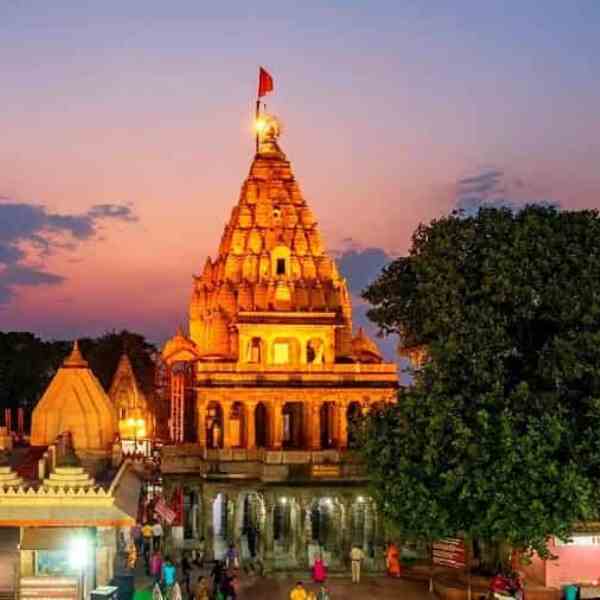
Trees for Shiv Ji near Mahakaleshwar Jyotirlinga
Description:
Planting trees on Shivratri is a way to honor Lord Shiva, who is often associated with nature and the environment. Lord Shiva is often depicted with a snake around his neck, which symbolizes his connection to nature and the environment. By planting trees, we can pay homage to Lord Shiva and show our reverence for the environment and the natural world.
Scope:
- Enhancement of Biodiversity
- Increase in Green Cover
- Reduction of Man-Animal Conflict
- Generation of Rural Employment
- Improvement of Wildlife Habitats
Tree Species:
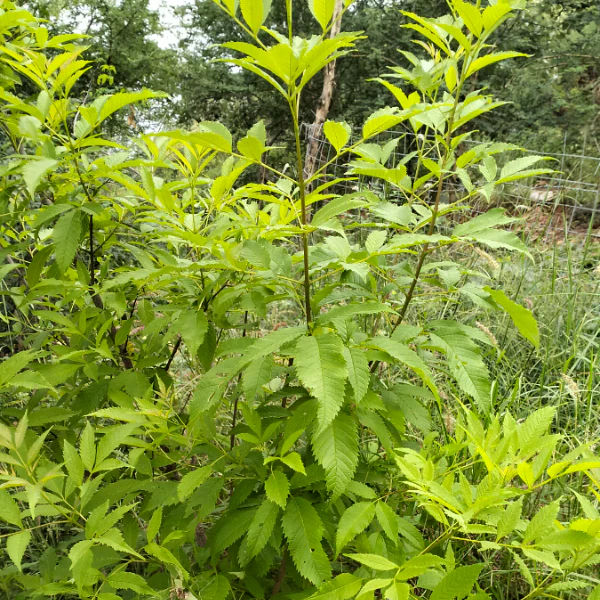
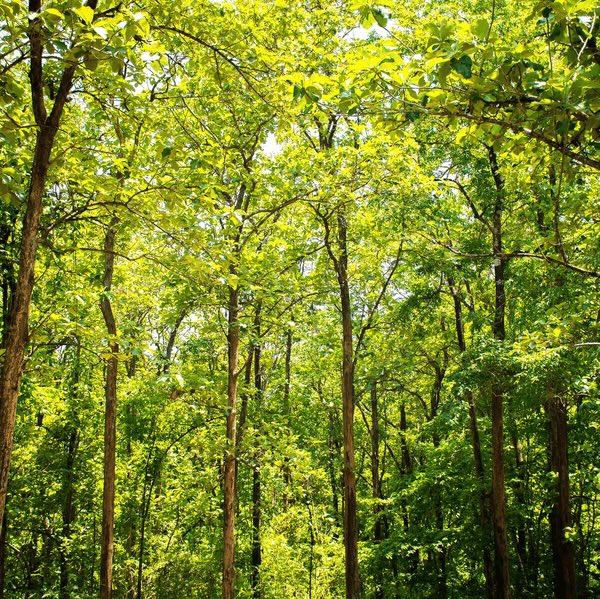
The species of trees that are planted depend on the project, and they are chosen based on their native habitat in the corresponding ecological zone.
Why trees?
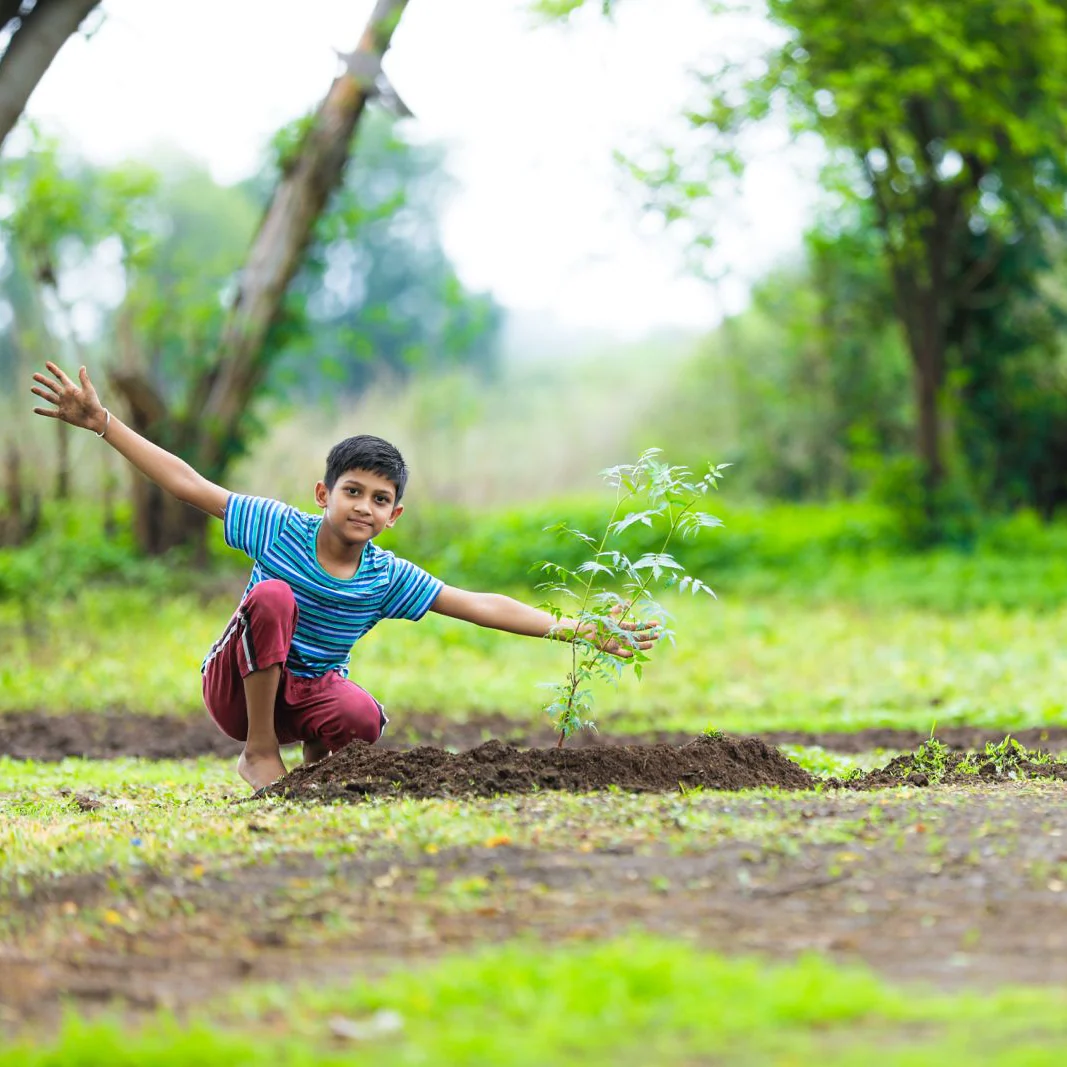
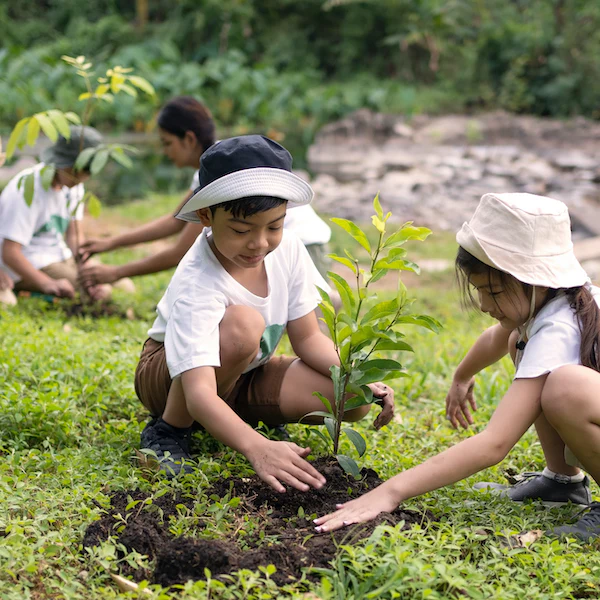
Tree plantation on Shivratri is an important tradition in many parts of India. Here are four reasons why planting trees on Shivratri is significant:
-
Celebrating the connection between Lord Shiva and nature: Lord Shiva is often associated with nature and the environment. Planting trees on Shivratri is a way to celebrate this connection and pay homage to Lord Shiva.
-
Promoting environmental sustainability: Planting trees is a vital step towards promoting environmental sustainability. Trees absorb carbon dioxide from the atmosphere and produce oxygen, making the air cleaner and more breathable. Planting trees also helps to preserve biodiversity and promote sustainable development.
-
Contributing to the fight against climate change: Climate change is one of the biggest challenges facing the world today. Planting trees is a significant way to contribute to the fight against climate change, as they absorb carbon dioxide from the atmosphere, which is a major greenhouse gas.
-
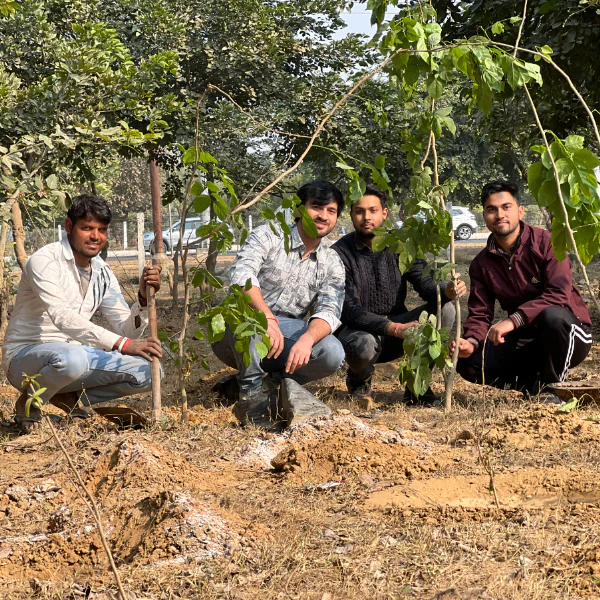
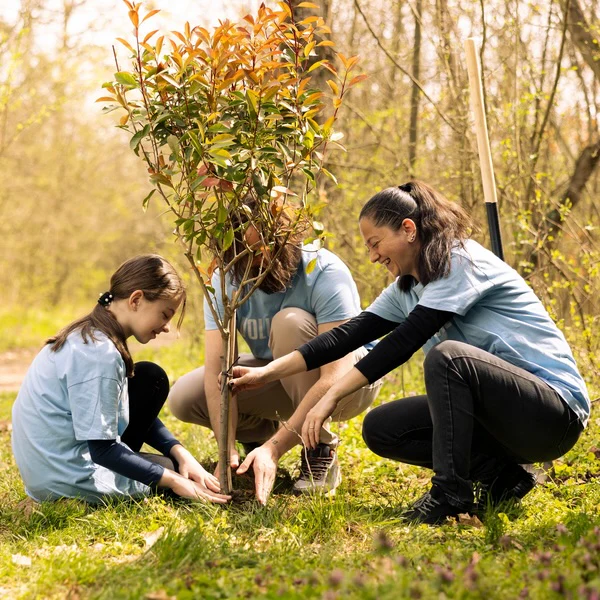
Creating a sense of community and responsibility: Planting trees on Shivratri can bring people together and create a sense of community and responsibility. When people come together to plant trees, they are working towards a common goal of creating a greener and more sustainable future for themselves and future generations.
Overall, planting a tree together on Shivratri is a unique and meaningful way to show your love and devotion for Lord Shiva and Goddess Durga & make a positive impact on the environment.
Let us make a pledge to plant and care for trees not only on Shivratri but throughout the year to create a sustainable and greener future for ourselves and future generations.
Devrai ( Sacred Grooves):
Devrai, or sacred groves, have been an integral part of India's cultural and religious heritage for centuries. These groves are considered sacred and are preserved as natural sanctuaries for a variety of flora and fauna. On Shivratri, the significance of Devrai becomes even more prominent, as Lord Shiva, who is considered the lord of nature, is worshipped. Here are some reasons why Devrai or sacred groves are important on Shivratri:
-
Biodiversity conservation: Devrai is an important means of conserving biodiversity. These groves are often home to a variety of plant and animal species, many of which may not be found elsewhere. By preserving these groves, we can help to protect and promote the growth of a wide range of species, which is essential for maintaining ecological balance and preventing the extinction of certain species.
-
Religious significance: Devrai has immense religious significance on Shivratri. Lord Shiva is known as the lord of nature and is worshipped for his power to create, destroy and preserve. He is also considered the lord of forests and wild animals. Devrai is considered a manifestation of Lord Shiva's divine presence, and therefore, it is an important part of the celebrations during Shivratri.
-
Ecological balance: Devrai plays an important role in maintaining the ecological balance of the environment. These groves act as natural carbon sinks and help to regulate the climate by absorbing carbon dioxide from the atmosphere. They also help to prevent soil erosion and maintain water resources by preserving the groundwater table and regulating water flow.
-
Cultural heritage: Devrai is an important part of India's cultural heritage, and its preservation is necessary for maintaining the continuity of this tradition. The practice of protecting sacred groves has been passed down from generation to generation, and the preservation of these groves is essential for keeping this tradition alive.
In conclusion, Devrai, or sacred groves, have immense ecological, religious, and cultural significance on Shivratri. By preserving these groves, we can not only protect biodiversity and promote ecological balance but also pay homage to Lord Shiva and maintain our rich cultural heritage.
Original: $5.40
-70%$5.40
$1.62Product Information
Product Information
Shipping & Returns
Shipping & Returns
Description
Description:
Planting trees on Shivratri is a way to honor Lord Shiva, who is often associated with nature and the environment. Lord Shiva is often depicted with a snake around his neck, which symbolizes his connection to nature and the environment. By planting trees, we can pay homage to Lord Shiva and show our reverence for the environment and the natural world.
Scope:
- Enhancement of Biodiversity
- Increase in Green Cover
- Reduction of Man-Animal Conflict
- Generation of Rural Employment
- Improvement of Wildlife Habitats
Tree Species:
The species of trees that are planted depend on the project, and they are chosen based on their native habitat in the corresponding ecological zone.
Why trees?
Tree plantation on Shivratri is an important tradition in many parts of India. Here are four reasons why planting trees on Shivratri is significant:
-
Celebrating the connection between Lord Shiva and nature: Lord Shiva is often associated with nature and the environment. Planting trees on Shivratri is a way to celebrate this connection and pay homage to Lord Shiva.
-
Promoting environmental sustainability: Planting trees is a vital step towards promoting environmental sustainability. Trees absorb carbon dioxide from the atmosphere and produce oxygen, making the air cleaner and more breathable. Planting trees also helps to preserve biodiversity and promote sustainable development.
-
Contributing to the fight against climate change: Climate change is one of the biggest challenges facing the world today. Planting trees is a significant way to contribute to the fight against climate change, as they absorb carbon dioxide from the atmosphere, which is a major greenhouse gas.
-
Creating a sense of community and responsibility: Planting trees on Shivratri can bring people together and create a sense of community and responsibility. When people come together to plant trees, they are working towards a common goal of creating a greener and more sustainable future for themselves and future generations.
Overall, planting a tree together on Shivratri is a unique and meaningful way to show your love and devotion for Lord Shiva and Goddess Durga & make a positive impact on the environment.
Let us make a pledge to plant and care for trees not only on Shivratri but throughout the year to create a sustainable and greener future for ourselves and future generations.
Devrai ( Sacred Grooves):
Devrai, or sacred groves, have been an integral part of India's cultural and religious heritage for centuries. These groves are considered sacred and are preserved as natural sanctuaries for a variety of flora and fauna. On Shivratri, the significance of Devrai becomes even more prominent, as Lord Shiva, who is considered the lord of nature, is worshipped. Here are some reasons why Devrai or sacred groves are important on Shivratri:
-
Biodiversity conservation: Devrai is an important means of conserving biodiversity. These groves are often home to a variety of plant and animal species, many of which may not be found elsewhere. By preserving these groves, we can help to protect and promote the growth of a wide range of species, which is essential for maintaining ecological balance and preventing the extinction of certain species.
-
Religious significance: Devrai has immense religious significance on Shivratri. Lord Shiva is known as the lord of nature and is worshipped for his power to create, destroy and preserve. He is also considered the lord of forests and wild animals. Devrai is considered a manifestation of Lord Shiva's divine presence, and therefore, it is an important part of the celebrations during Shivratri.
-
Ecological balance: Devrai plays an important role in maintaining the ecological balance of the environment. These groves act as natural carbon sinks and help to regulate the climate by absorbing carbon dioxide from the atmosphere. They also help to prevent soil erosion and maintain water resources by preserving the groundwater table and regulating water flow.
-
Cultural heritage: Devrai is an important part of India's cultural heritage, and its preservation is necessary for maintaining the continuity of this tradition. The practice of protecting sacred groves has been passed down from generation to generation, and the preservation of these groves is essential for keeping this tradition alive.
In conclusion, Devrai, or sacred groves, have immense ecological, religious, and cultural significance on Shivratri. By preserving these groves, we can not only protect biodiversity and promote ecological balance but also pay homage to Lord Shiva and maintain our rich cultural heritage.