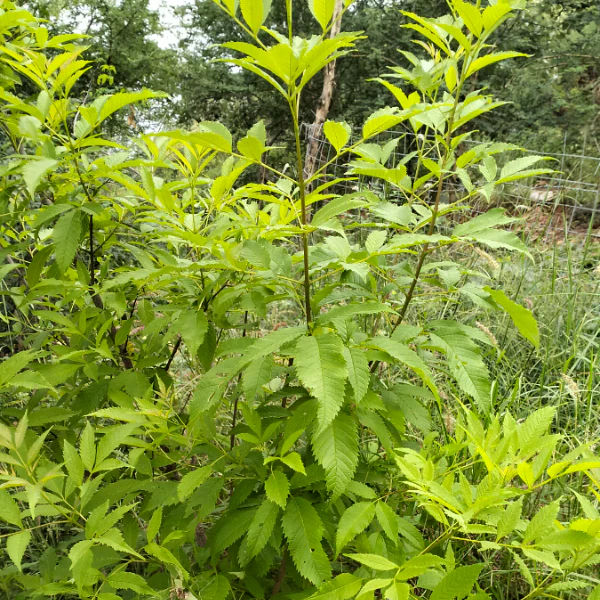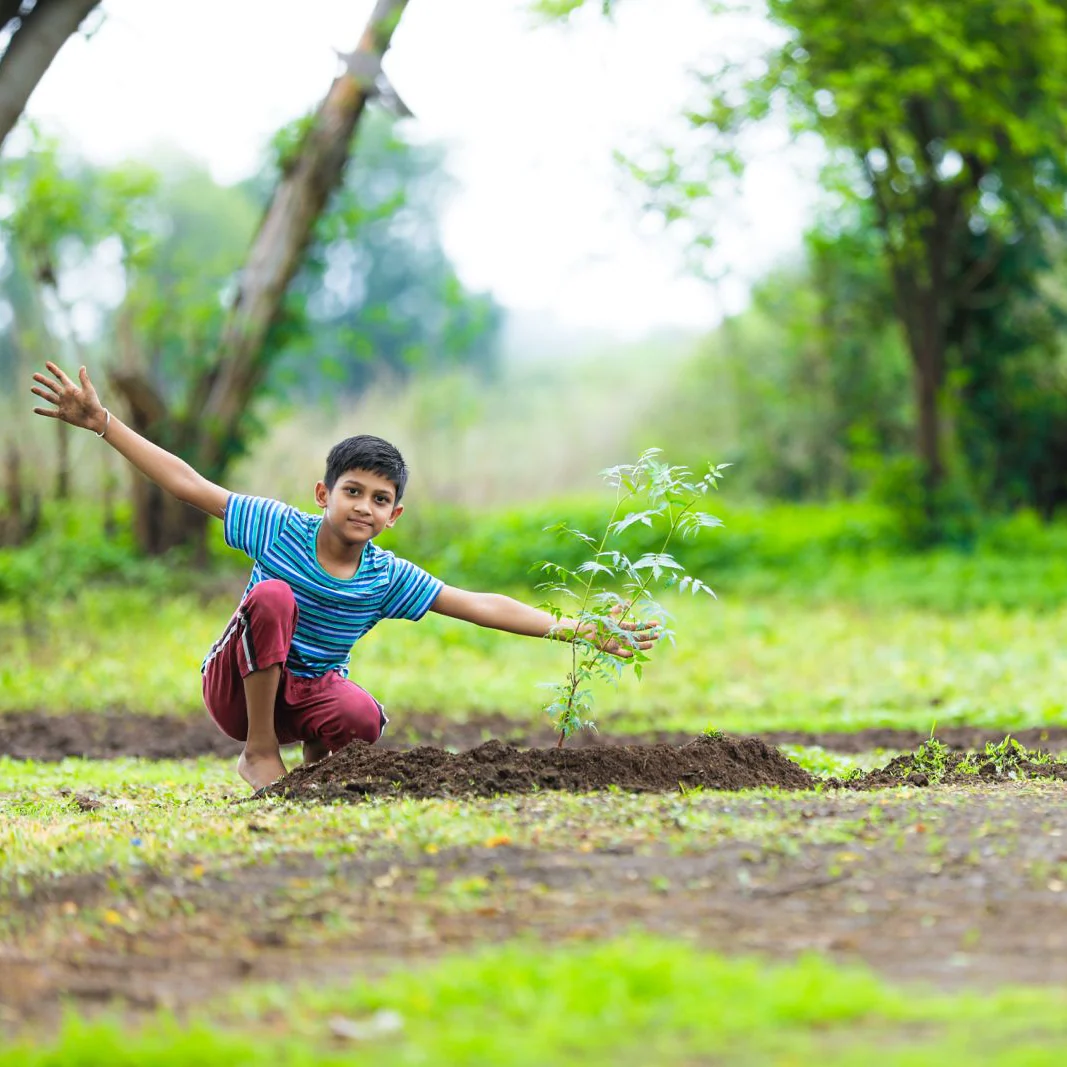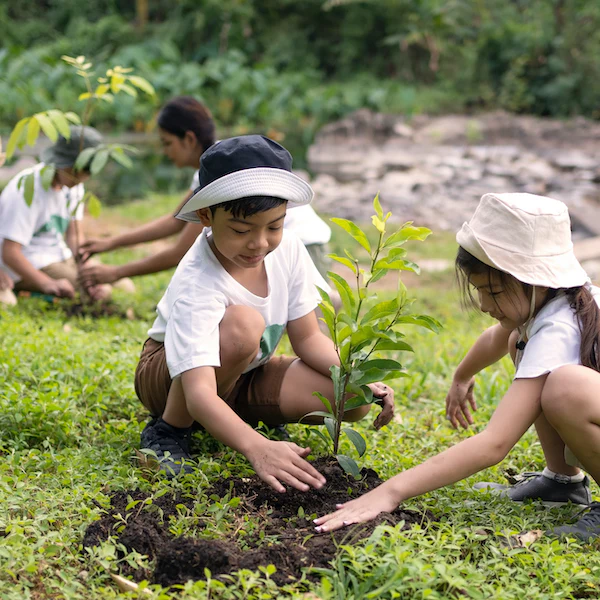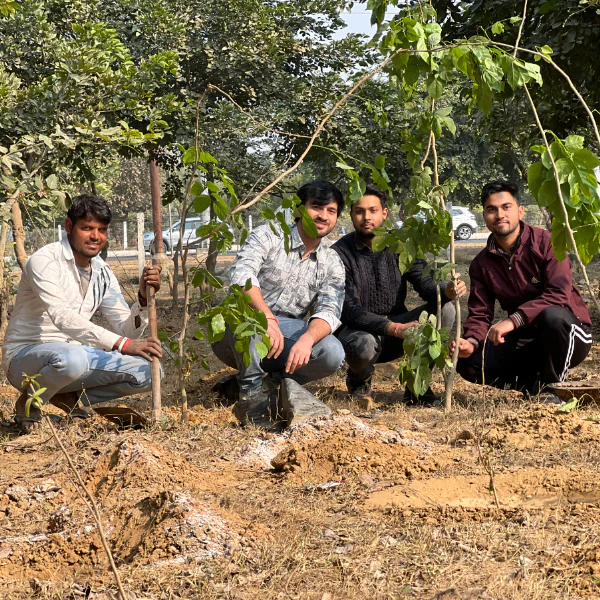
Trees for Pitru Paksha (पितृ पक्ष)
Description:
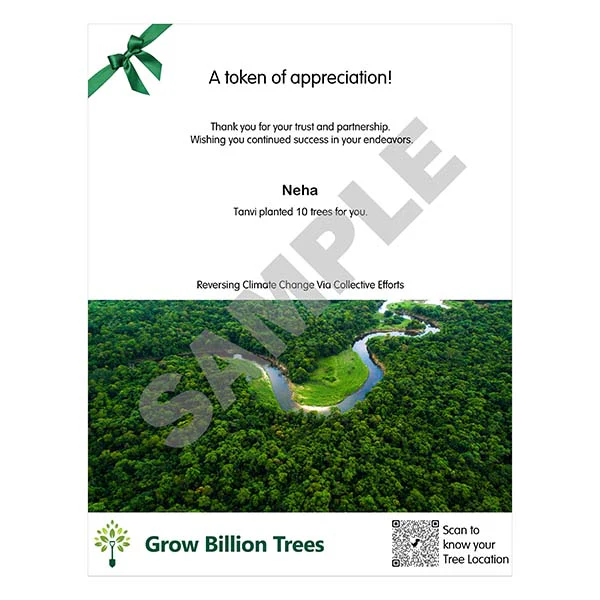
Honoring the memory of our loved one with a tree planting on Pitru Paksha (पितृ पक्ष) can be a powerful and enduring way to pay tribute to their life. Trees offer comfort and connection and serve as a living tribute to the memory of your loved one.
In addition, trees provide practical and environmental benefits, such as capturing carbon dioxide, improving air quality, and providing habitat for wildlife.
Scope:
- Enhancement of Biodiversity
- Increase in Green Cover
- Generation of Rural Employment
- Increase in farm income for farmers
- Poverty Alleviation
Tree Species:
The species of trees that are planted depend on the project, and they are chosen based on their native habitat in the corresponding ecological zone.
Trees like peepal (Ficus religiosa), neem (Azadirachta indica), banyan (Ficus benghalensis), and tulsi (Ocimum sanctum) are traditionally planted during Pitru Paksh due to their sacred significance.
Why trees for Pitru Paksha?
Planting trees during Pitru Paksha (पितृ पक्ष), also known as Shraddha or Mahalaya Paksha, holds spiritual and cultural significance in Hindu traditions. This 16-day period, usually in September or October, is dedicated to honoring and paying respects to one's ancestors or Pitrus. Here's why planting trees during this time is considered important:
-
Environmental Consciousness: Planting trees during Pitru Paksha (पितृ पक्ष) reflects an awareness of environmental issues. It's an opportunity to contribute positively to the environment and show reverence to nature, aligning with the Hindu principle of dharma (duty).
-
Symbolism of Life: Trees are often seen as symbols of life and growth. Planting a tree in memory of departed ancestors can symbolize the continuity of life and the belief that the soul continues to exist in various forms.
-
Purification of Ancestral Spirits: Hindus believe that performing rituals and acts of charity during Pitru Paksha can help purify the souls of their ancestors. Planting a tree is considered a charitable act and can contribute to the well-being of departed souls.
-
Sustenance for Departed Souls: It is believed that the shade, fruits, and shelter provided by trees offer sustenance to the wandering spirits of ancestors. By planting trees, individuals seek to provide comfort and nourishment to their departed loved ones.
-
Karma and Positive Actions: Hinduism emphasizes the importance of karma (actions) and how they affect one's spiritual journey. Planting trees is considered a virtuous deed that can earn merit and positive karma for both the living and the deceased.
-
Environmental Benefits: Beyond the spiritual aspects, tree planting during Pitru Paksha has practical environmental benefits. Trees help improve air quality, provide shade, conserve soil and water, and support biodiversity.
In summary, planting trees during Pitru Paksha combines environmental consciousness with spiritual beliefs. It's a way to honor ancestors, promote positive actions, and contribute to the well-being of both the environment and the souls of the departed.
Social Impact of Trees for Pitru Paksha?
Planting trees for Pitru Paksha (पितृ पक्ष) has several social impacts, as it combines cultural and spiritual practices with environmental conservation. Here are some of the social impacts associated with this tradition: Overall, planting trees to honor the memory of a loved one can be a meaningful and impactful way to contribute to the health and well-being of the community and the environment.
-
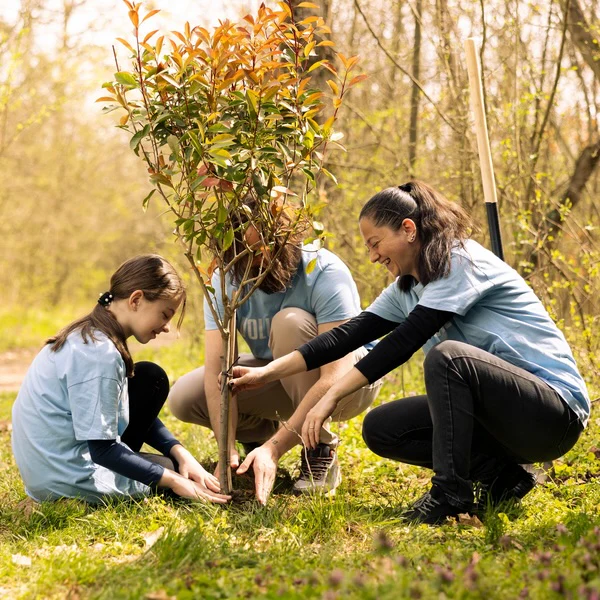
Community Bonding: Tree planting during Pitru Paksha brings families and communities together, fostering stronger bonds and unity.
-
Cultural Preservation: It helps preserve and pass down cultural and religious traditions, reinforcing the importance of honoring ancestors.
-
Environmental Awareness: The practice raises awareness about the significance of trees in maintaining ecological balance and encourages responsible environmental stewardship.
-
Positive Social Norms: Planting trees establishes positive social norms related to environmental conservation and sends a message that caring for the environment is virtuous and responsible.
-
Community Health: The trees contribute to improved air quality and overall environmental health, directly benefiting the community's well-being.
In summary, planting trees for Pitru Paksha is a practice that goes beyond spiritual and cultural significance. It has several positive social impacts, including community bonding, environmental awareness, and the promotion of responsible environmental stewardship, while also contributing to the overall well-being of communities and the environment.
Original: $3.23
-70%$3.23
$0.97Product Information
Product Information
Shipping & Returns
Shipping & Returns
Description
Description:
Honoring the memory of our loved one with a tree planting on Pitru Paksha (पितृ पक्ष) can be a powerful and enduring way to pay tribute to their life. Trees offer comfort and connection and serve as a living tribute to the memory of your loved one.
In addition, trees provide practical and environmental benefits, such as capturing carbon dioxide, improving air quality, and providing habitat for wildlife.
Scope:
- Enhancement of Biodiversity
- Increase in Green Cover
- Generation of Rural Employment
- Increase in farm income for farmers
- Poverty Alleviation
Tree Species:
The species of trees that are planted depend on the project, and they are chosen based on their native habitat in the corresponding ecological zone.
Trees like peepal (Ficus religiosa), neem (Azadirachta indica), banyan (Ficus benghalensis), and tulsi (Ocimum sanctum) are traditionally planted during Pitru Paksh due to their sacred significance.
Why trees for Pitru Paksha?
Planting trees during Pitru Paksha (पितृ पक्ष), also known as Shraddha or Mahalaya Paksha, holds spiritual and cultural significance in Hindu traditions. This 16-day period, usually in September or October, is dedicated to honoring and paying respects to one's ancestors or Pitrus. Here's why planting trees during this time is considered important:
-
Environmental Consciousness: Planting trees during Pitru Paksha (पितृ पक्ष) reflects an awareness of environmental issues. It's an opportunity to contribute positively to the environment and show reverence to nature, aligning with the Hindu principle of dharma (duty).
-
Symbolism of Life: Trees are often seen as symbols of life and growth. Planting a tree in memory of departed ancestors can symbolize the continuity of life and the belief that the soul continues to exist in various forms.
-
Purification of Ancestral Spirits: Hindus believe that performing rituals and acts of charity during Pitru Paksha can help purify the souls of their ancestors. Planting a tree is considered a charitable act and can contribute to the well-being of departed souls.
-
Sustenance for Departed Souls: It is believed that the shade, fruits, and shelter provided by trees offer sustenance to the wandering spirits of ancestors. By planting trees, individuals seek to provide comfort and nourishment to their departed loved ones.
-
Karma and Positive Actions: Hinduism emphasizes the importance of karma (actions) and how they affect one's spiritual journey. Planting trees is considered a virtuous deed that can earn merit and positive karma for both the living and the deceased.
-
Environmental Benefits: Beyond the spiritual aspects, tree planting during Pitru Paksha has practical environmental benefits. Trees help improve air quality, provide shade, conserve soil and water, and support biodiversity.
In summary, planting trees during Pitru Paksha combines environmental consciousness with spiritual beliefs. It's a way to honor ancestors, promote positive actions, and contribute to the well-being of both the environment and the souls of the departed.
Social Impact of Trees for Pitru Paksha?
Planting trees for Pitru Paksha (पितृ पक्ष) has several social impacts, as it combines cultural and spiritual practices with environmental conservation. Here are some of the social impacts associated with this tradition: Overall, planting trees to honor the memory of a loved one can be a meaningful and impactful way to contribute to the health and well-being of the community and the environment.
-
Community Bonding: Tree planting during Pitru Paksha brings families and communities together, fostering stronger bonds and unity.
-
Cultural Preservation: It helps preserve and pass down cultural and religious traditions, reinforcing the importance of honoring ancestors.
-
Environmental Awareness: The practice raises awareness about the significance of trees in maintaining ecological balance and encourages responsible environmental stewardship.
-
Positive Social Norms: Planting trees establishes positive social norms related to environmental conservation and sends a message that caring for the environment is virtuous and responsible.
-
Community Health: The trees contribute to improved air quality and overall environmental health, directly benefiting the community's well-being.
In summary, planting trees for Pitru Paksha is a practice that goes beyond spiritual and cultural significance. It has several positive social impacts, including community bonding, environmental awareness, and the promotion of responsible environmental stewardship, while also contributing to the overall well-being of communities and the environment.