Trees for Heartfulness ( Sahaj Marg )
Description:
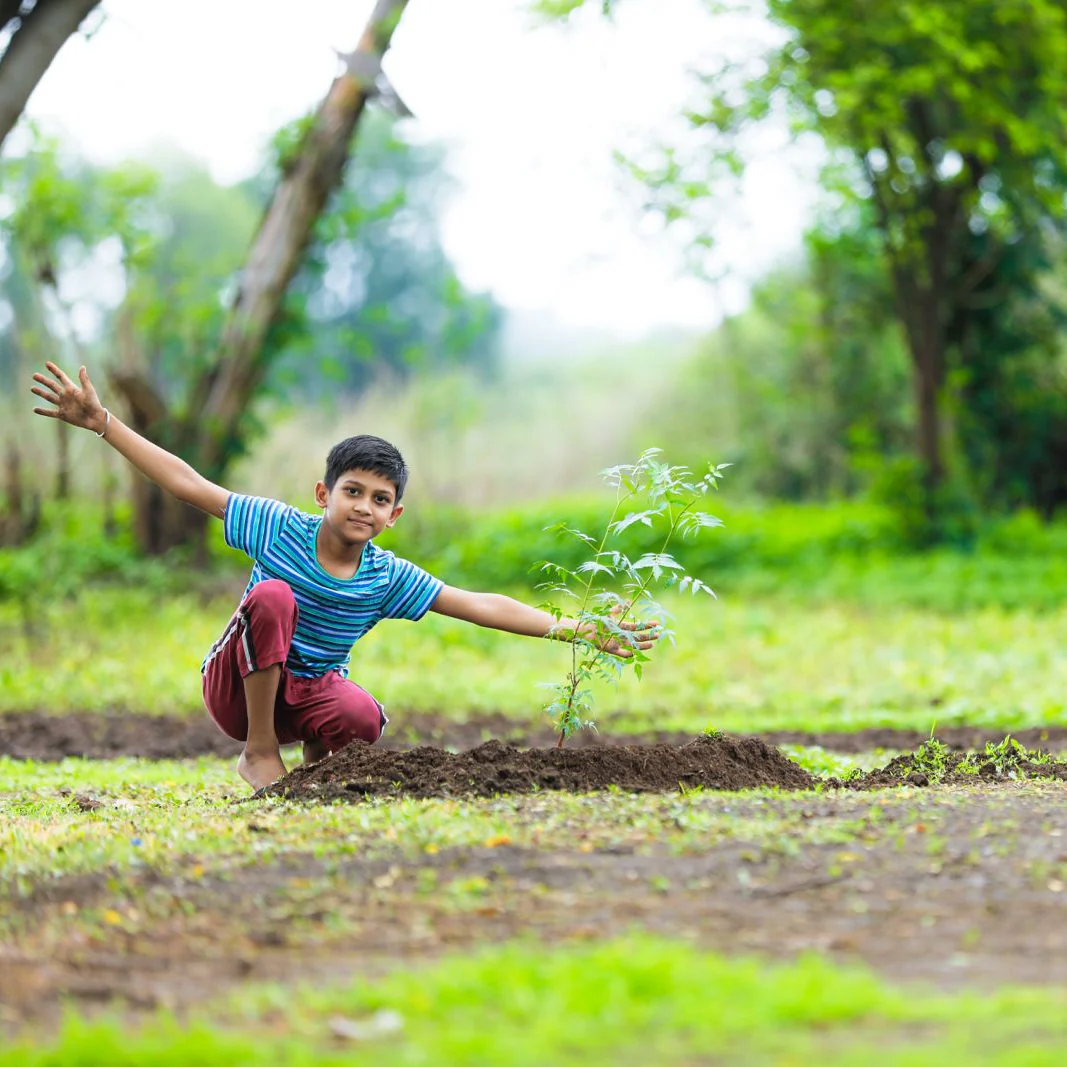
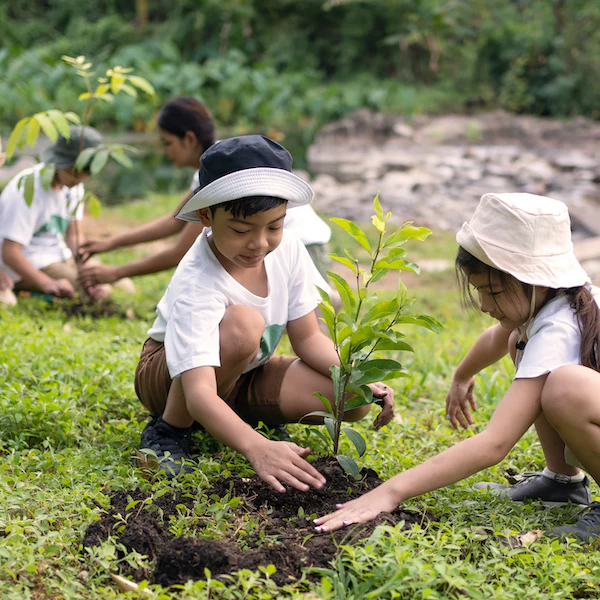
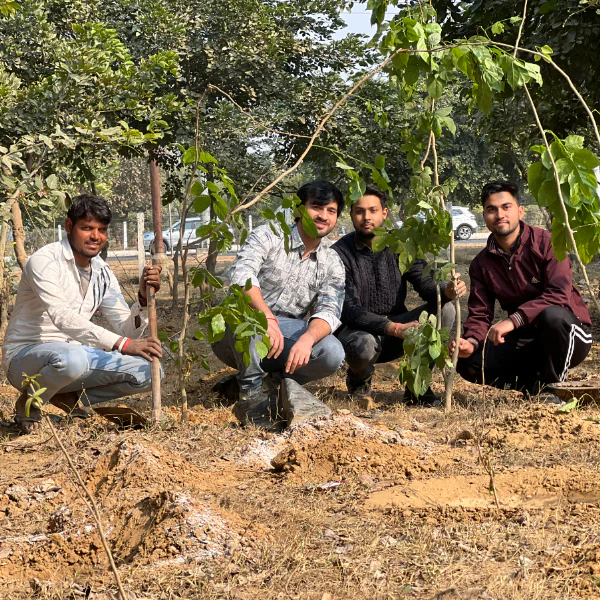
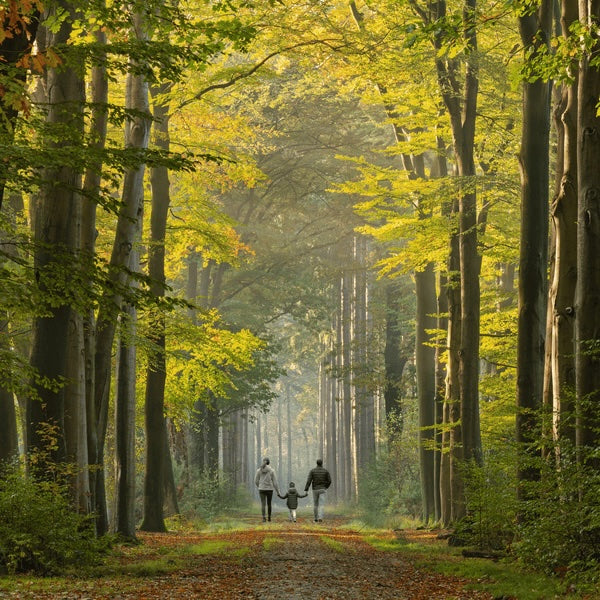
Tree at the forests by Heartfulness is an initiative aspiring to conserve the threatened, rare, and endangered species of our tropical forests. There is increasing evidence that green cover can improve human, physical, and mental well-being. In cities, tree plantations help to combat air pollution and temperature stabilization.
Thus, there is a need to plant more trees to conserve wildlife, support local communities, combat climate change, improve human well-being, and benefit future generations. Forests by Heartfulness (FBH) is an ecological movement aims to create spaces where humans coexist in harmony with Nature.
This initiative envisions creating nationwide nurseries to grow highly resilient saplings that can compete and survive in hostile conditions and support livelihoods and micro-entrepreneurs.
Scope:
- Enhancement of Biodiversity
- Increase in Green Cover
- Generation of Rural Employment
- Carbon Sequestration
-
Reduction in Air Pollution
Tree Species:
The species of trees that are planted depend on the project, and they are chosen based on their native habitat in the corresponding ecological zone.
Why Trees:
Tree plantation is essential for various reasons, including:
-
Reducing greenhouse gases: Trees absorb carbon dioxide and produce oxygen, thus reducing the levels of carbon dioxide in the atmosphere.
-
Preventing soil erosion: Trees help to stabilize the soil, reducing the risk of erosion, especially during heavy rains.
-
Providing habitat for wildlife: Trees provide shelter and food for many animals and insects.
-
Improving air quality: Trees absorb pollutants from the air, improving the quality of the air we breathe.
-
Enhancing beauty: Trees can beautify landscapes and provide shade, making outdoor spaces more pleasant and enjoyable.
-
Providing resources: Trees can provide us with essential resources such as timber, fruit, and non-timber forest products.
Social Impact:
The social impact of tree plantation can be significant, including:
-
Job creation: Tree plantations can create employment opportunities, especially in rural areas.
-
Improved health: Trees can enhance the quality of air and provide shade, leading to better health outcomes for local communities.
-
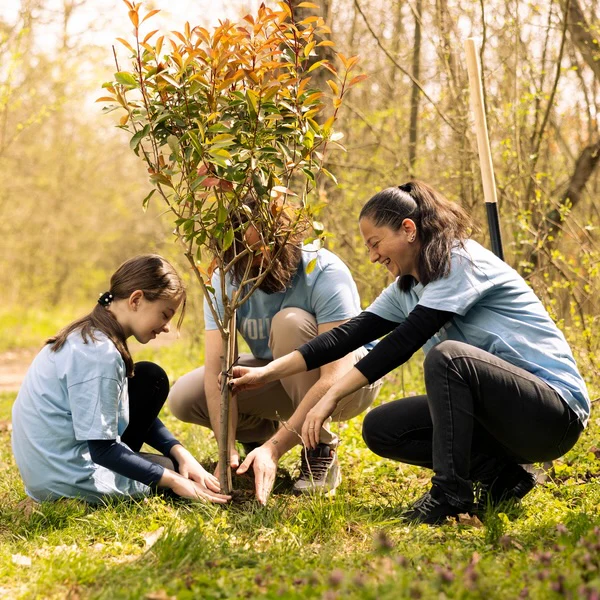
Increased community involvement: Tree plantation can bring communities together and promote a sense of ownership and responsibility for the environment.
-
Improved education: Tree plantation can be used as a tool for education, promoting awareness about the importance of trees and the environment.
-
Enhanced quality of life: Trees can provide aesthetic, recreational, and environmental benefits, improving the overall quality of life in communities.
-
Reduced poverty: Tree plantations can provide income-generating opportunities, such as the sale of timber and non-timber forest products, which can help to reduce poverty.
Original: $3.23
-70%$3.23
$0.97Product Information
Product Information
Shipping & Returns
Shipping & Returns
Description
Description:
Tree at the forests by Heartfulness is an initiative aspiring to conserve the threatened, rare, and endangered species of our tropical forests. There is increasing evidence that green cover can improve human, physical, and mental well-being. In cities, tree plantations help to combat air pollution and temperature stabilization.
Thus, there is a need to plant more trees to conserve wildlife, support local communities, combat climate change, improve human well-being, and benefit future generations. Forests by Heartfulness (FBH) is an ecological movement aims to create spaces where humans coexist in harmony with Nature.
This initiative envisions creating nationwide nurseries to grow highly resilient saplings that can compete and survive in hostile conditions and support livelihoods and micro-entrepreneurs.
Scope:
- Enhancement of Biodiversity
- Increase in Green Cover
- Generation of Rural Employment
- Carbon Sequestration
-
Reduction in Air Pollution
Tree Species:
The species of trees that are planted depend on the project, and they are chosen based on their native habitat in the corresponding ecological zone.
Why Trees:
Tree plantation is essential for various reasons, including:
-
Reducing greenhouse gases: Trees absorb carbon dioxide and produce oxygen, thus reducing the levels of carbon dioxide in the atmosphere.
-
Preventing soil erosion: Trees help to stabilize the soil, reducing the risk of erosion, especially during heavy rains.
-
Providing habitat for wildlife: Trees provide shelter and food for many animals and insects.
-
Improving air quality: Trees absorb pollutants from the air, improving the quality of the air we breathe.
-
Enhancing beauty: Trees can beautify landscapes and provide shade, making outdoor spaces more pleasant and enjoyable.
-
Providing resources: Trees can provide us with essential resources such as timber, fruit, and non-timber forest products.
Social Impact:
The social impact of tree plantation can be significant, including:
-
Job creation: Tree plantations can create employment opportunities, especially in rural areas.
-
Improved health: Trees can enhance the quality of air and provide shade, leading to better health outcomes for local communities.
-
Increased community involvement: Tree plantation can bring communities together and promote a sense of ownership and responsibility for the environment.
-
Improved education: Tree plantation can be used as a tool for education, promoting awareness about the importance of trees and the environment.
-
Enhanced quality of life: Trees can provide aesthetic, recreational, and environmental benefits, improving the overall quality of life in communities.
-
Reduced poverty: Tree plantations can provide income-generating opportunities, such as the sale of timber and non-timber forest products, which can help to reduce poverty.