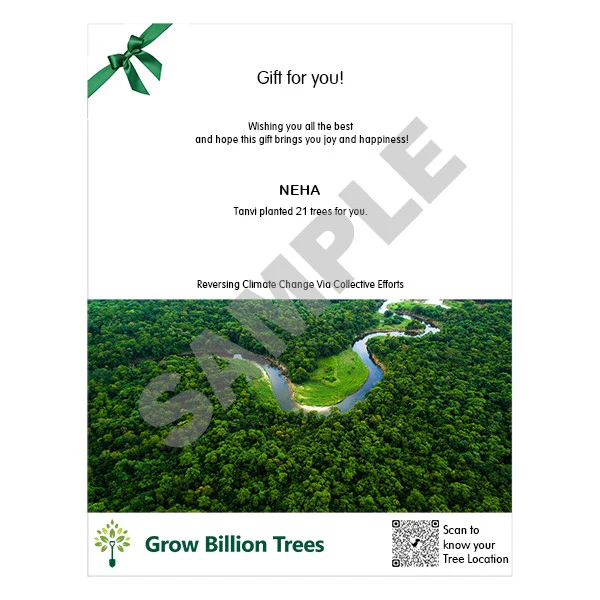
Trees for Eid
Description:
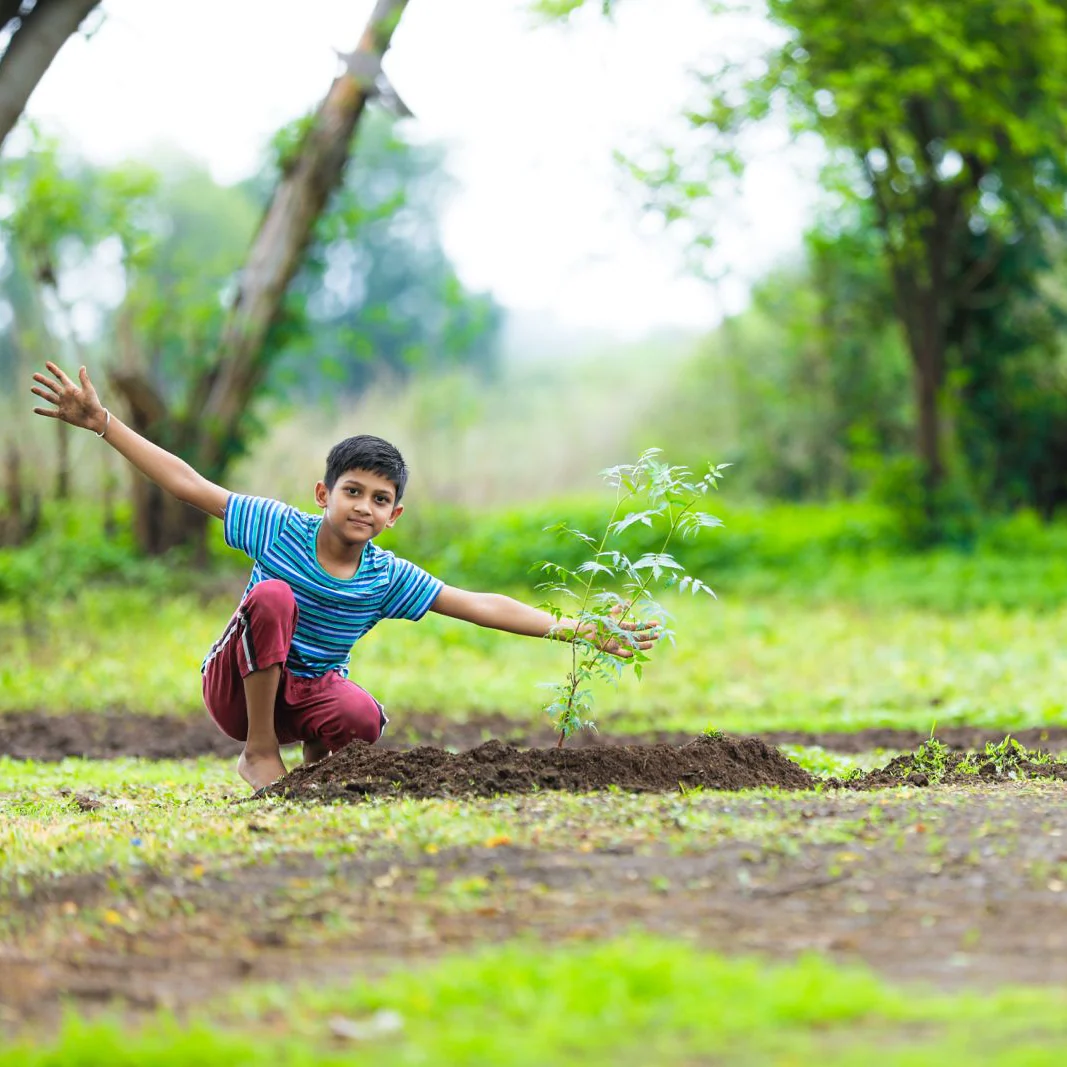
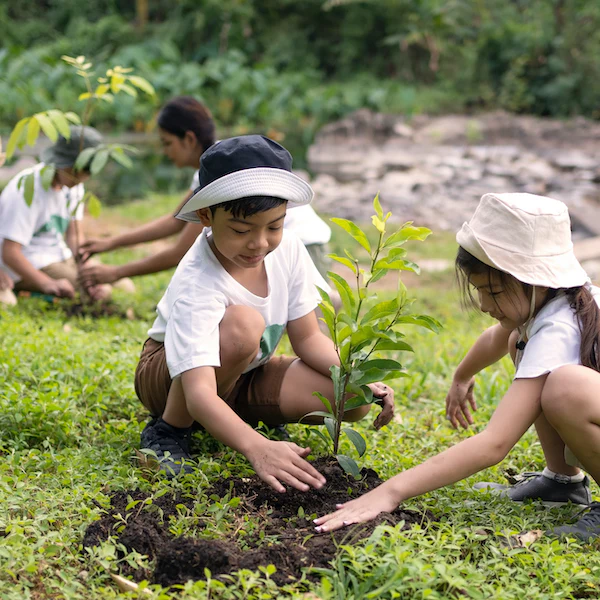
Planting trees on Eid reflects Islamic values of environmental stewardship, compassion, and unity.
It helps combat climate change, promotes clean air, and preserves biodiversity while fostering a sense of community and leaving a positive legacy for the future.
Scope:
- Enhancement of Biodiversity
- Increase in Green Cover
- Generation of Rural Employment
- Improvement of Wildlife Habitats
Tree Species:
The species of trees that are planted depend on the project, and they are chosen based on their native habitat in the corresponding ecological zone.
Why trees?
Planting trees on Eid holds several reasons and meanings associated with it:
- Environmental Stewardship: Islam emphasizes the importance of environmental stewardship and the protection of nature. Planting trees on Eid is a way to fulfill this duty and demonstrate care for the Earth and its resources. It aligns with the Islamic teachings of being responsible guardians of the environment.
- Charity and Good Deeds: Eid is a time of charity and acts of kindness. Planting trees is considered a virtuous act (sadaqah) in Islam. It is believed to earn rewards and blessings from Allah. By planting trees, we can engage in good deeds and fulfill their charitable obligations during the festive season.
- The Symbolism of Growth and Blessings: Trees symbolize growth, abundance, and blessings. Planting trees on Eid signifies the hope for a prosperous future and the desire for acceptance and prosperity to come. It is a way to seek Allah's blessings and thank Him for the bounties of nature.
- Sustainable Living: Planting trees promotes sustainable living and responsible resource management. Trees contribute to environmental sustainability by providing oxygen, absorbing carbon dioxide, preventing soil erosion, and supporting ecosystems. By planting trees on Eid, we can actively participate in preserving the environment and practicing sustainable living.
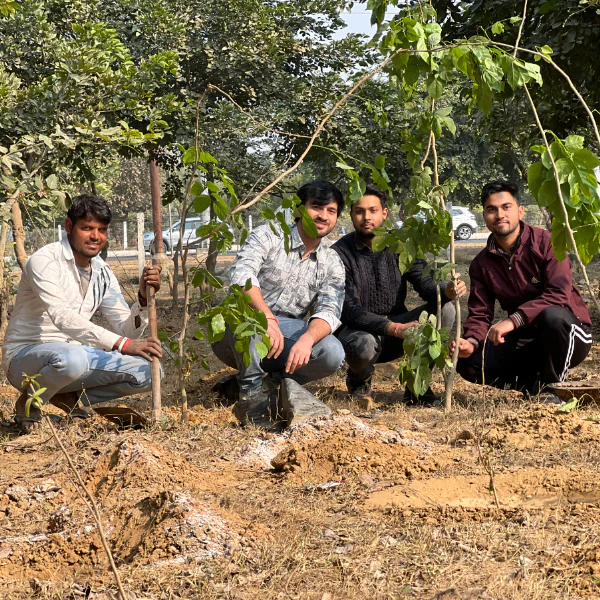
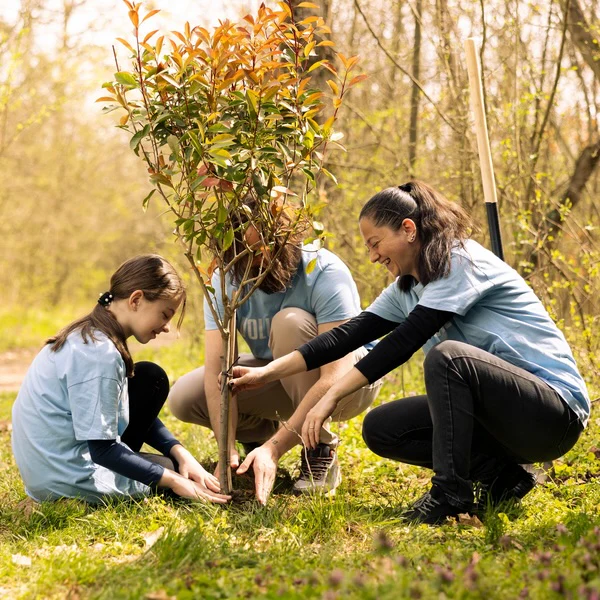
- Community Engagement: Planting trees on Eid can bring communities together in a collective effort. It provides an opportunity to engage with neighbors, friends, and family members to contribute to a common cause. This fosters a sense of unity, collaboration, and shared responsibility in working towards a greener and more sustainable community.
In summary, planting trees on Eid aligns with Islamic teachings on environmental stewardship, charity, and sustainable living. It symbolizes growth, blessings, and community engagement.
By planting trees, We can actively contribute to environmental conservation and fulfill their religious and moral obligations during the festive season.
Original: $3.23
-70%$3.23
$0.97Product Information
Product Information
Shipping & Returns
Shipping & Returns
Description
Description:
Planting trees on Eid reflects Islamic values of environmental stewardship, compassion, and unity.
It helps combat climate change, promotes clean air, and preserves biodiversity while fostering a sense of community and leaving a positive legacy for the future.
Scope:
- Enhancement of Biodiversity
- Increase in Green Cover
- Generation of Rural Employment
- Improvement of Wildlife Habitats
Tree Species:
The species of trees that are planted depend on the project, and they are chosen based on their native habitat in the corresponding ecological zone.
Why trees?
Planting trees on Eid holds several reasons and meanings associated with it:
- Environmental Stewardship: Islam emphasizes the importance of environmental stewardship and the protection of nature. Planting trees on Eid is a way to fulfill this duty and demonstrate care for the Earth and its resources. It aligns with the Islamic teachings of being responsible guardians of the environment.
- Charity and Good Deeds: Eid is a time of charity and acts of kindness. Planting trees is considered a virtuous act (sadaqah) in Islam. It is believed to earn rewards and blessings from Allah. By planting trees, we can engage in good deeds and fulfill their charitable obligations during the festive season.
- The Symbolism of Growth and Blessings: Trees symbolize growth, abundance, and blessings. Planting trees on Eid signifies the hope for a prosperous future and the desire for acceptance and prosperity to come. It is a way to seek Allah's blessings and thank Him for the bounties of nature.
- Sustainable Living: Planting trees promotes sustainable living and responsible resource management. Trees contribute to environmental sustainability by providing oxygen, absorbing carbon dioxide, preventing soil erosion, and supporting ecosystems. By planting trees on Eid, we can actively participate in preserving the environment and practicing sustainable living.
- Community Engagement: Planting trees on Eid can bring communities together in a collective effort. It provides an opportunity to engage with neighbors, friends, and family members to contribute to a common cause. This fosters a sense of unity, collaboration, and shared responsibility in working towards a greener and more sustainable community.
In summary, planting trees on Eid aligns with Islamic teachings on environmental stewardship, charity, and sustainable living. It symbolizes growth, blessings, and community engagement.
By planting trees, We can actively contribute to environmental conservation and fulfill their religious and moral obligations during the festive season.